Fencing systems and gates

Company

Business Unit Overview

Learn more about our construction wire products division.

Technologies

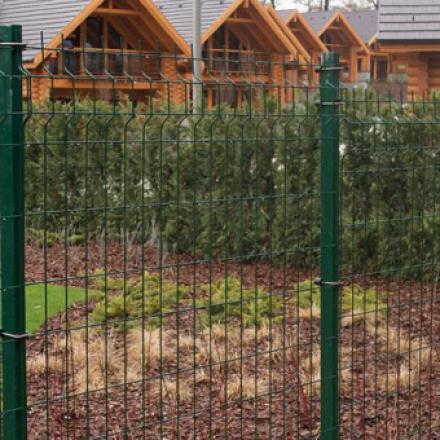
Our company manufactures panel fencing systems and mass-produced gates using automated robotic cells for welding mesh and fencing.

Contact

Please contact us.

Fencing systems

114 Full range of Steelvent fencing systems, panel and roll fences, fence posts, swing and sliding gates...

Board fence

Board fence elements

Security fence

Security or protective fences, for industrial and agricultural use.

Fence post and accessories

Posts for panel and coil fences, in various heights and designs.

Mobile fences and cordons

Mobile fences and cordons for temporary fencing of construction sites and events.

Gate

A wide range of swing and sliding gates, passenger and vehicle gates.

Gabion fence and retaining wall

Baskets made of metal grids, which when filled with stone, provide a fence or retaining wall.

Fasteners

Fastener retail and wholesale. We also handle custom orders.

Grids and nets

Construction flat mesh, panel spot-welded wildlife protection fences, and welded grids for general and industrial use.

Industrial locksmith structures

Steelvent has 30 years of experience in manufacturing industrial fences, gates and custom structures.

Other

5% discount

Every Monday, we offer a 5% discount to everyone who shops at our store in Miskolc.

Garden fencing at the best prices

Galvanized pipe posts and galvanized panel fences in stock.

For fencing solar parks

Ask for our quote specifically tailored for solar farms.

Industrial metal structures

Take a look at our references for the construction of industrial metal structures.

Wire and drawn goods

About the Company

Business Unit Overview

Learn more about the wire and drawn products business.

Technologies

Learn more about wire and drawn wire technologies.

Contact

Contact us.

Steel bars

Cold-drawn, extruded design.

Coiled steels

Cold-drawn, extruded design.

Galvanized coils and rods

Cold-drawn, extruded design.

Wall Plugs (Anchors)

General

Fixing technology is a fundamental part of everyday construction and installation work. Whether mounting a picture, installing a shelf, or fixing heavy equipment, the goal is always the same: secure and reliable fastening.

Selecting the optimal fixing solution requires consideration of several factors:

  • Type of base material

  • Load capacity and load direction

  • Environmental conditions and additional requirements

Understanding the substrate is essential before choosing the appropriate anchor system.

Base Materials

Walls, floors, and ceilings can be made from a variety of materials, including:

  • Normal concrete – high load-bearing capacity

  • Lightweight concrete – lower strength due to lightweight aggregates (e.g. pumice, polystyrene)

  • Solid materials – dense or hollow structural elements

  • Porous materials – with either solid or hollow structures

  • Panel materials – such as drywall, chipboard, or composite boards

Correct identification of the base material is critical, as it determines both the drilling method and the type of anchor required.

Drilling Considerations

Most masonry materials can be drilled using carbide-tipped drill bits.

  • For concrete, always use hammer or rotary hammer mode

  • For other materials, start without impact and apply it only if necessary

  • Avoid excessively high drilling speeds in masonry

  • Ensure proper drilling depth for reliable anchoring

Basic Principle of Anchors

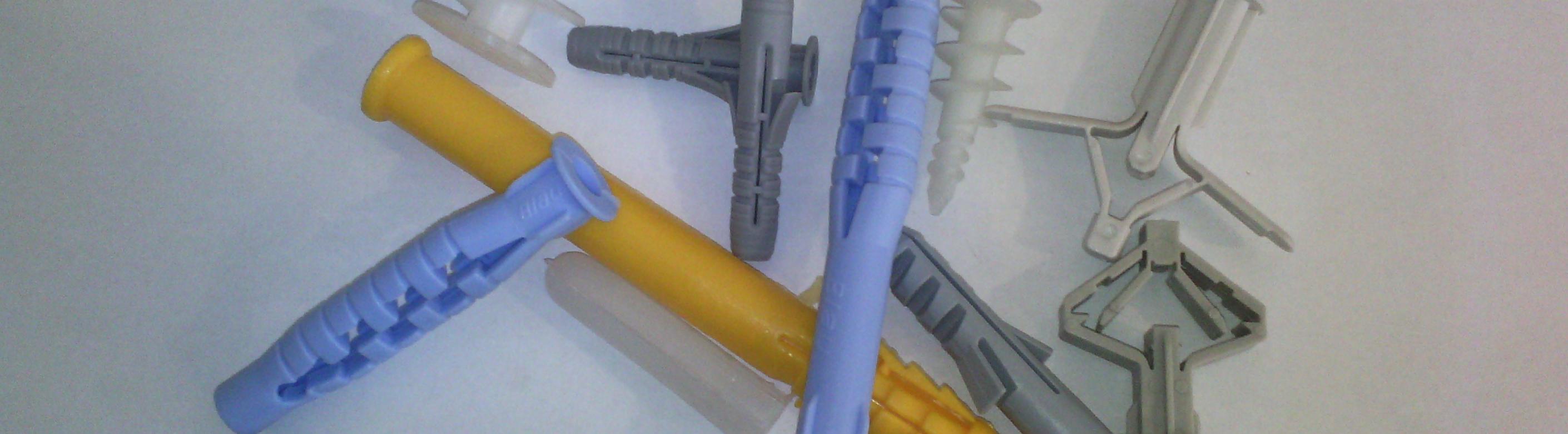
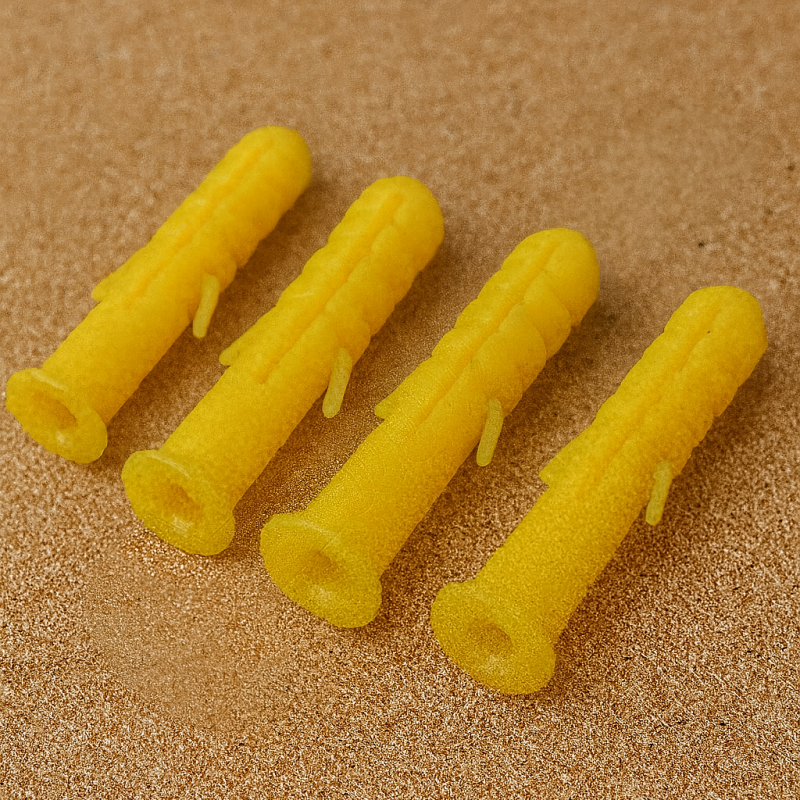
The core element of fixing technology is the wall plug (anchor), available in a wide range of designs.

Despite this variety, their function is generally based on three main principles, the most common being:

Friction-Based Expansion

In this method, the anchor expands inside the drilled hole, pressing its outer surface firmly against the wall.

The resulting friction prevents movement and ensures a stable and secure fixing.
English