English
Wall Plugs (Anchors)
General
Fixing technology is a fundamental part of everyday construction and installation work. Whether mounting a picture, installing a shelf, or fixing heavy equipment, the goal is always the same: secure and reliable fastening.
Selecting the optimal fixing solution requires consideration of several factors:
-
Type of base material
-
Load capacity and load direction
-
Environmental conditions and additional requirements
Understanding the substrate is essential before choosing the appropriate anchor system.
Base Materials
Walls, floors, and ceilings can be made from a variety of materials, including:
-
Normal concrete – high load-bearing capacity
-
Lightweight concrete – lower strength due to lightweight aggregates (e.g. pumice, polystyrene)
-
Solid materials – dense or hollow structural elements
-
Porous materials – with either solid or hollow structures
-
Panel materials – such as drywall, chipboard, or composite boards
Correct identification of the base material is critical, as it determines both the drilling method and the type of anchor required.
Drilling Considerations
Most masonry materials can be drilled using carbide-tipped drill bits.
-
For concrete, always use hammer or rotary hammer mode
-
For other materials, start without impact and apply it only if necessary
-
Avoid excessively high drilling speeds in masonry
-
Ensure proper drilling depth for reliable anchoring
Basic Principle of Anchors
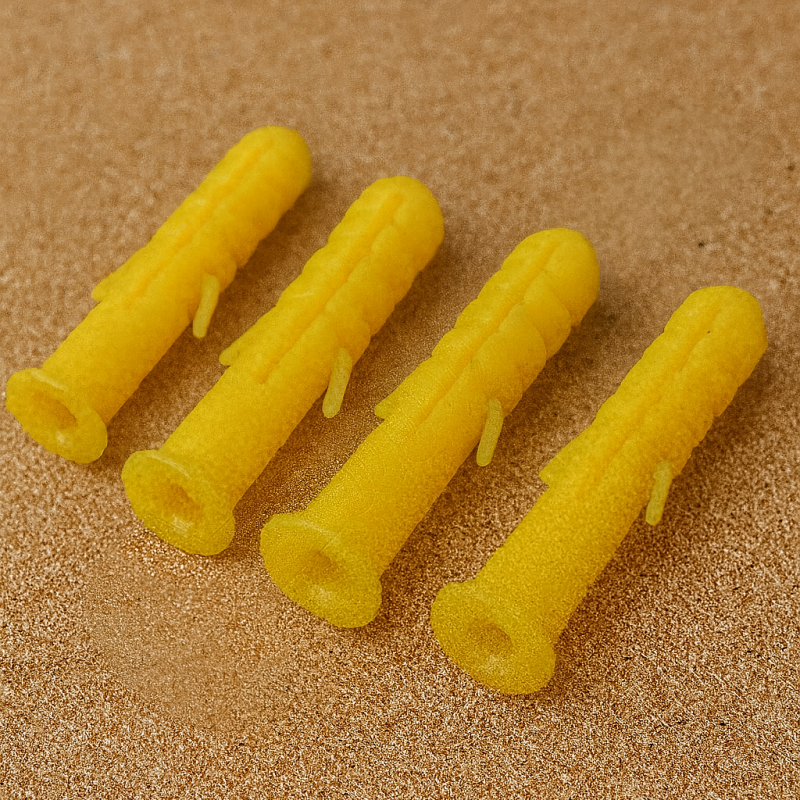
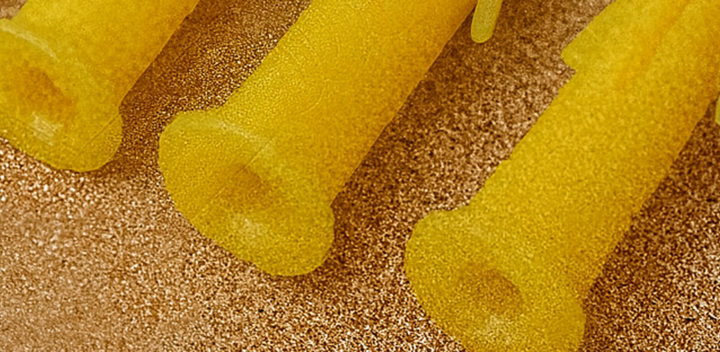
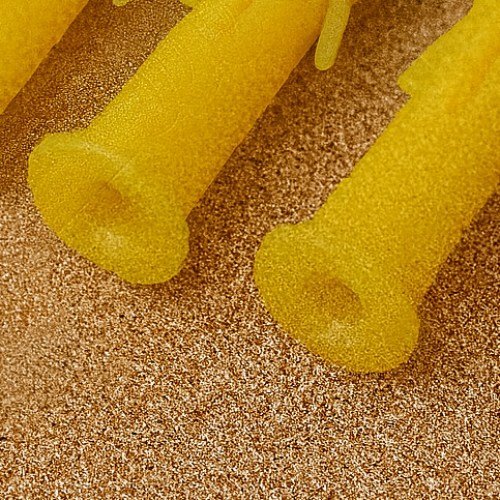
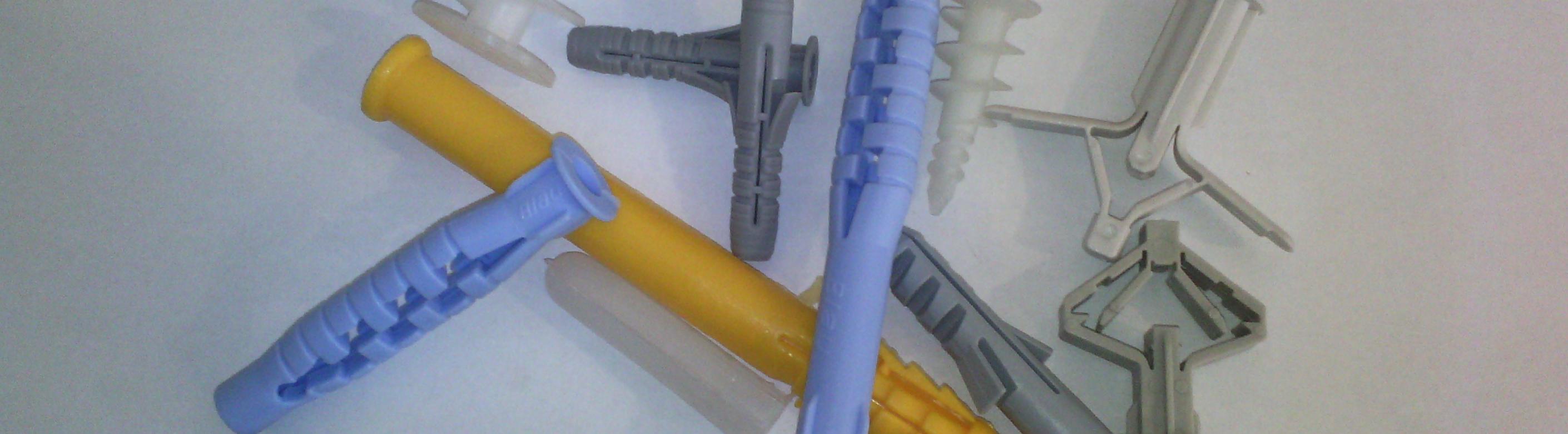
The core element of fixing technology is the wall plug (anchor), available in a wide range of designs.
Despite this variety, their function is generally based on three main principles, the most common being:
Friction-Based Expansion
In this method, the anchor expands inside the drilled hole, pressing its outer surface firmly against the wall.
The resulting friction prevents movement and ensures a stable and secure fixing.